
Over 60 percent of American travelers now consider short-term rentals when planning a trip. The rise of these flexible lodging options is reshaping the way people experience new destinations and opening doors to alternatives beyond traditional hotels. With digital platforms making it easier than ever to book unique, home-like spaces across any city or region, this guide breaks down what defines short-term rental services and why they have become such a game changer for American guests and hosts alike.
Table of Contents
- Defining Short Term Rental Services
- Major Types Of Short Term Rentals
- How Short Term Rental Platforms Work
- Legal Requirements And Restrictions
- Risks, Obligations, And Cost Factors
Key Takeaways
| Point | Details |
|---|---|
| Definition of Short-Term Rentals | Short-term rentals provide flexible lodging for less than 30 nights, offering fully furnished spaces that enhance modern travel experiences. |
| Types of Rentals | Various accommodations include shared rooms, private rooms, and whole units, catering to diverse traveler needs and preferences. |
| Platform Operation | Online platforms simplify booking, featuring user profiles, secure payment systems, and extensive property listings. |
| Legal Considerations | Compliance with local regulations is crucial for hosts, including registration, tax obligations, and zoning restrictions to avoid potential fines. |
Defining Short Term Rental Services
Short-term rentals represent a flexible lodging option that allows travelers to rent fully furnished living spaces for brief periods, typically less than 30 consecutive nights. These accommodations have dramatically transformed modern travel experiences, offering alternatives to traditional hotel stays. As defined by government sources, short-term rentals are residential properties temporarily leased for tourism or business travel.
The core characteristics of short-term rentals include their temporary nature, furnished status, and diverse property types. Travelers can choose from an extensive range of options such as apartments, condos, houses, individual rooms, or even unique spaces like houseboats and cabins. Unlike standard hotel rooms, these rentals frequently provide more space, kitchen facilities, and a more personalized environment that mimics a home-like setting.
Modern short-term rental services have been revolutionized by digital platforms, making booking processes seamless and transparent. Online platforms like Airbnb and VRBO have expanded rental availability across numerous destinations, connecting property owners directly with travelers seeking unique accommodations. These services typically offer detailed property descriptions, user reviews, transparent pricing, and instant booking capabilities, empowering travelers to make informed decisions about their temporary living arrangements.
Key benefits of short-term rentals include cost-effectiveness compared to traditional hotels, greater flexibility in location and amenities, and the opportunity to experience destinations from a more authentic, local perspective. Whether you’re a business traveler needing a comfortable workspace, a family seeking more room to spread out, or an adventure enthusiast looking for a unique base camp, short-term rentals provide versatile solutions that adapt to diverse traveler needs.
Major Types of Short Term Rentals
Short-term rentals encompass a diverse range of accommodation types designed to meet various traveler preferences and needs. Rental categories span from shared rooms to entire managed units, offering travelers multiple privacy and amenity options. Understanding these different types helps travelers make informed decisions about their temporary lodging.

The rental landscape includes several primary categories. Shared Rooms represent the most budget-friendly option, where travelers rent a single room within a larger living space, often sharing common areas with other guests. Private Rooms provide more personal space, allowing guests to have their own dedicated sleeping area while still potentially sharing kitchen or living spaces. Whole Unit Rentals offer complete privacy, giving travelers access to an entire apartment, house, or living space exclusively for their use.
Specialized Rental Categories further expand traveler choices. The serviced apartment sector includes distinctive options like Corporate Housing, Apart-hotels, Extended Stay Properties, Serviced Residences, and Vacation Apartments, each tailored to specific travel requirements. Corporate Housing typically serves business professionals on longer assignments, while Vacation Apartments cater to tourists seeking temporary home-like accommodations.
Some rental types offer unique features beyond basic lodging. Apart-hotels combine apartment-style living with hotel-like services, providing housekeeping, reception, and sometimes fitness facilities. Extended Stay Properties are particularly suited for travelers requiring accommodations for several weeks or months, offering more home-like amenities and often more competitive long-term rates. These diverse options ensure that whether you’re a solo traveler, family, business professional, or adventure seeker, there’s a short-term rental perfectly suited to your specific needs and budget.
How Short Term Rental Platforms Work
Online rental platforms have revolutionized the way travelers find and book temporary accommodations, creating a seamless digital marketplace that connects property owners with potential guests. These platforms operate as sophisticated digital intermediaries, providing comprehensive tools and services that simplify the entire rental process from listing to booking.
The core functionality of short-term rental platforms involves several key components. Property Listing allows owners to create detailed profiles of their spaces, including high-quality photos, amenity descriptions, pricing, and availability calendars. User Profiles enable both hosts and guests to establish credibility through verified identities, detailed personal information, and transparent review systems that help build trust within the community.
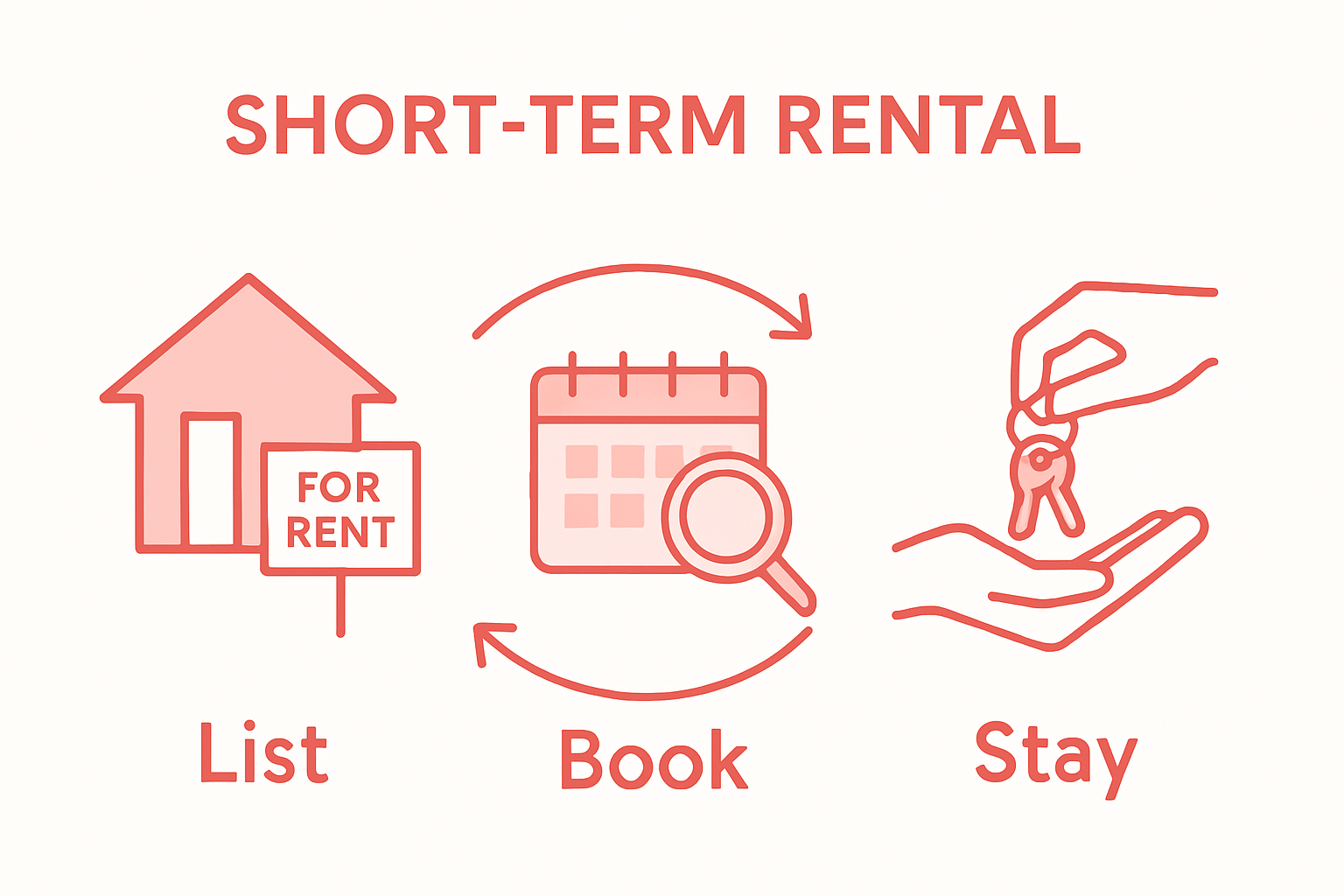
Internet-based businesses have created a global marketplace for short-term rentals, coordinating interactions through sophisticated web interfaces. The booking process typically involves multiple layers of protection and convenience. Guests can search properties using advanced filters like location, price, amenities, and specific requirements. Integrated payment systems provide secure transactions, often holding funds in escrow until after check-in to protect both parties. Advanced verification processes, including identity checks and user reviews, help minimize risks and ensure a safer rental experience.
Platforms also offer additional features that enhance user experience. Instant booking options, real-time communication tools, automated messaging, and comprehensive support systems streamline the entire rental process. Many platforms provide insurance protections for both hosts and guests, cover potential property damages, and offer 24/7 customer support. These comprehensive services have transformed short-term rentals from a niche market into a mainstream accommodation option, giving travelers unprecedented flexibility and property owners new opportunities to monetize their spaces.
Legal Requirements and Restrictions
Short-term rental regulations vary significantly across different jurisdictions, creating a complex legal landscape for property owners and travelers. Municipal governments like Seattle have implemented specific land use and licensing codes to regulate short-term rental activities, demonstrating the increasing importance of structured oversight in this rapidly evolving market.
Registration Requirements form a critical component of legal compliance for short-term rental hosts. Cities like Boston mandate that hosts register their rental units and prominently display registration numbers in their online listings, ensuring transparency and accountability. These registration processes typically involve several key steps: completing official documentation, paying required fees, passing property inspections, and maintaining ongoing compliance with local ordinances.
The legal framework for short-term rentals encompasses multiple regulatory dimensions. Zoning restrictions often limit the number of rental days permitted annually, impose occupancy restrictions, and define specific geographic areas where short-term rentals are allowed. Tax compliance is another crucial aspect, with many municipalities requiring hosts to collect and remit local occupancy or sales taxes. Some jurisdictions also implement strict noise regulations, parking limitations, and neighborhood impact considerations to protect residential community standards.
Potential legal consequences for non-compliance can be significant. Hosts may face substantial fines, potential legal action, revocation of rental permits, and even criminal penalties in extreme cases of repeated violations. Smart hosts proactively research local regulations, maintain detailed records, obtain necessary permits, and stay informed about evolving legal requirements. Travelers should also exercise due diligence by verifying a property’s legal status and understanding local rental restrictions before making booking commitments.
Risks, Obligations, and Cost Factors
The growth of short-term rentals presents complex economic and social dynamics that impact both hosts and local communities, introducing a range of financial opportunities and potential risks that travelers and property owners must carefully evaluate.
Hosts face multiple Financial Obligations beyond basic property maintenance. Licensing costs, mandatory insurance requirements, and potential tax liabilities represent significant ongoing expenses. Property owners must budget for increased utility consumption, higher cleaning and maintenance frequency, and potential professional management fees if they cannot personally manage the rental. Additional costs include specialized furnishings, safety equipment, and periodic property upgrades to remain competitive in the short-term rental market.
Short-term rental regulations require hosts to meet specific safety and administrative requirements, such as annual license renewals and comprehensive safety documentation. These obligations extend beyond financial considerations, demanding proactive compliance and meticulous record-keeping. Hosts must maintain detailed guest communication logs, verify guest identities, implement robust safety protocols, and ensure their properties meet local health and safety standards. Failure to comply can result in substantial fines, potential legal challenges, and permanent removal from rental platforms.
Risk management becomes crucial in the short-term rental ecosystem. Potential risks include property damage, liability for guest injuries, potential neighborhood conflicts, and unexpected maintenance issues. Smart hosts mitigate these risks through comprehensive insurance coverage, strict guest screening processes, clear house rules, security deposits, and professional property management strategies. Travelers should similarly assess risks by reviewing property credentials, understanding cancellation policies, verifying host responsiveness, and carefully reading user reviews before committing to a rental.
Simplify Your Travel Experience with Reliable Rental Services
Navigating the complexities of short-term rentals can be challenging. Travelers often seek comfort, flexibility, and authenticity in their stay while managing unfamiliar legal requirements and safety risks. At the same time, moving around your destination smoothly is essential to unlock the full potential of your trip. Whether you need dependable transportation or leisure options to complement your short-term rental stay, finding both convenience and peace of mind matters.

Discover how Rentngo.biz can enhance your journey by offering easy-to-book car rentals and exciting boat tours. These services provide the freedom to explore local neighborhoods or unwind on the water without hassle. Act now to secure your rental and enjoy a seamless travel experience that aligns with the flexibility and personalized service you expect from modern short-term rentals. Visit Rentngo.biz today and take the next step toward stress-free adventure.
Frequently Asked Questions
What are short-term rentals?
Short-term rentals are fully furnished living spaces rented for brief periods, typically less than 30 consecutive nights, offering travelers alternative lodging options to traditional hotels.
What types of accommodations are available in short-term rentals?
Short-term rentals include a variety of options such as shared rooms, private rooms, whole unit rentals, serviced apartments, and unique spaces like houseboats or cabins, catering to diverse traveler preferences.
How do online platforms work for booking short-term rentals?
Online platforms connect property owners with travelers, allowing hosts to list their properties with detailed descriptions, photos, and pricing. Guests can search for accommodations, make secure transactions, and communicate with hosts through these platforms.
What legal requirements should hosts comply with for short-term rentals?
Hosts must often register their rental units, adhere to zoning restrictions, collect local occupancy taxes, and meet specific safety standards. Compliance with these regulations helps ensure transparency and accountability in the short-term rental market.
Recommended
- The Essential Guide to Rentals in Travel – Rent&Go Car Rental Vlore
- Role of Car Rental in Travel: Complete Guide – Rent&Go Car Rental Vlore
- Role of Car Rentals in Tourism – Key Impacts and Benefits – Rent&Go Car Rental Vlore
- 7 Essential Travel Rental Best Practices for Easy Booking – Rent&Go Car Rental Vlore
Related Posts
Best 7 Best Car Rental Services 2025 – Expert Comparison 2026
Travelers often face a maze of choices when planning how…

What Is One-Way Car Hire and Why Travelers Choose It
Over half of American travelers are choosing flexible car hire…

7 Must-Try Examples of Boat Tours for Travelers Worldwide
Bold city skylines look twice as impressive from the water,…