
Over 40 percent of American renters mistakenly believe that a verbal agreement can fully protect their rights. Misunderstanding rental contracts leads to costly mistakes, whether you are dealing with cars, boats, or property. Knowing the difference between a simple handshake deal and a legally sound rental agreement helps American consumers avoid hidden fees, protect their interests, and make smarter decisions the next time they rent.
Table of Contents
- Defining Rental Agreements And Common Misconceptions
- Types Of Rental Agreements For Cars And Boats
- Key Features And Legal Protections Explained
- Essential Rights And Obligations For Renters
- Risks, Costs, And Common Pitfalls
Key Takeaways
| Point | Details |
|---|---|
| Rental agreements are customized contracts | They outline specific terms and conditions unique to each rental situation, rather than being standardized forms. |
| Awareness of rights and obligations is essential | Renters should understand their rights to safe equipment and transparent pricing, as well as their responsibilities under the agreement. |
| Potential risks and hidden costs exist | Renters must be vigilant of additional fees and unclear insurance terms that can complicate agreements and increase liabilities. |
| Legal protections are critical | Contracts should include provisions for liability, insurance coverage, and dispute resolution to safeguard both parties’ interests. |
Defining Rental Agreements and Common Misconceptions
A rental agreement represents a legally binding contract between a property owner and a renter that outlines the specific terms and conditions of occupancy or usage. These documents serve as critical protective mechanisms for both parties, establishing clear expectations about responsibilities, financial obligations, and potential limitations. While many individuals assume rental agreements are simple standardized documents, they actually encompass complex legal frameworks that vary significantly across different contexts.
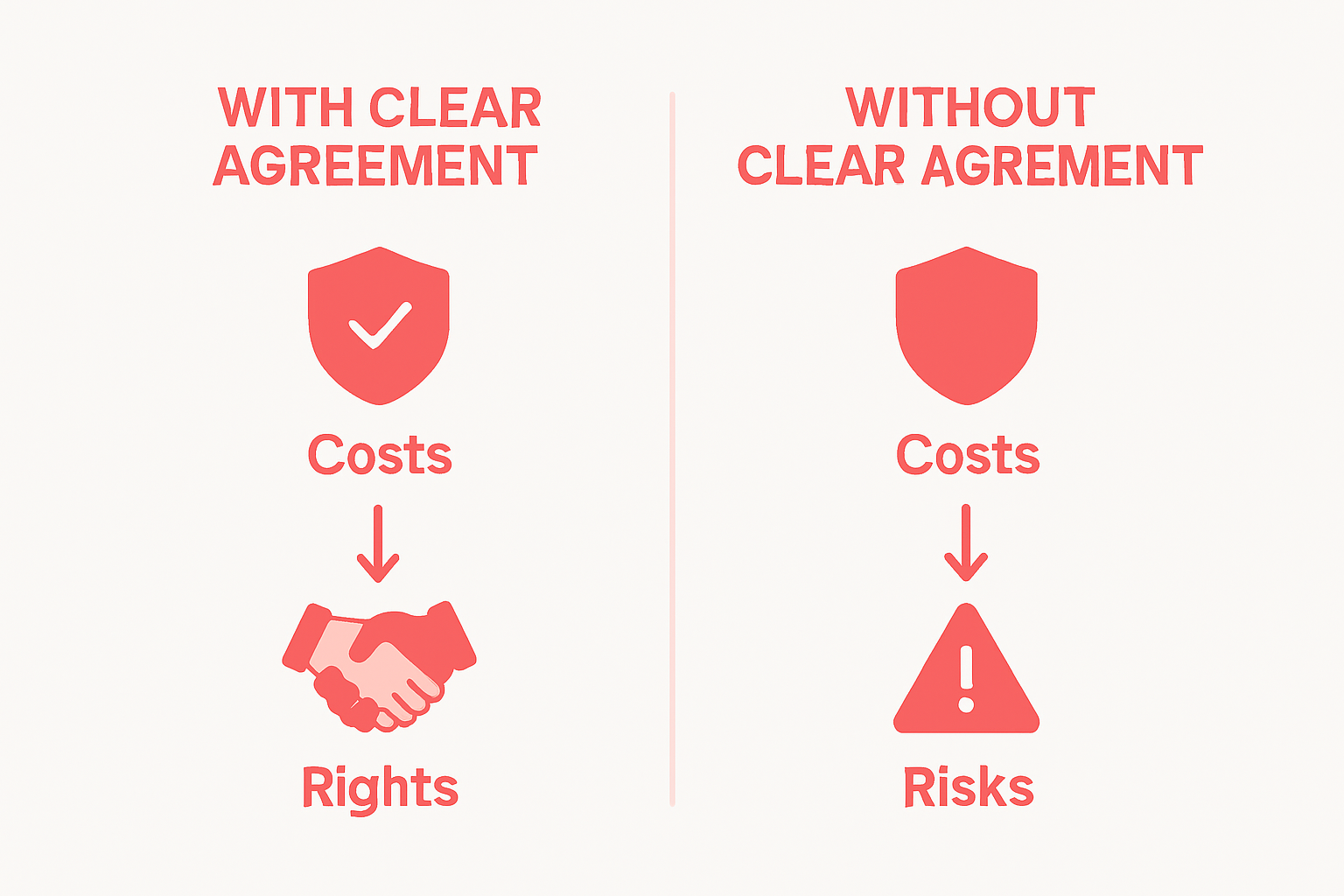
Contrary to popular belief, rental agreements are not one-size-fits-all documents. Examining legal protections in lease schemes reveals substantial variations in how these contracts are structured and interpreted. Common misconceptions include assumptions that all rental terms are uniform or that verbal agreements hold the same legal weight as written contracts. In reality, these agreements must be meticulously crafted to address specific scenarios and protect the interests of both landlords and tenants.
The fundamental components of a comprehensive rental agreement typically include:
- Precise rental duration
- Exact financial terms and payment schedules
- Maintenance responsibilities
- Conditions for property use
- Specific grounds for contract termination
Navigating these intricate legal documents requires careful attention to detail and a nuanced understanding of local regulations. Understanding rental options can help renters make more informed decisions and avoid potential legal complications. By demystifying the complexities of rental agreements, individuals can approach these transactions with greater confidence and clarity, ensuring their rights and responsibilities are explicitly defined and mutually understood.
Types of Rental Agreements for Cars and Boats
Rental agreements for cars and boats represent complex legal documents with significant variations depending on the specific transportation mode and rental context. Rental agreements fundamentally serve as comprehensive contracts that outline the precise terms, conditions, and expectations between the vehicle owner and the renter, ensuring both parties understand their rights and responsibilities.
Peer-to-peer rental models have dramatically transformed traditional vehicle rental approaches, introducing innovative agreements that leverage trust and reputation information. These modern rental agreements typically fall into several distinct categories:
- Standard Commercial Rental: Traditional agreements through professional rental companies
- Peer-to-Peer Rental: Direct vehicle sharing between private owners and renters
- Short-Term Lease: Flexible agreements for temporary vehicle usage
- Fractional Ownership: Shared usage rights for high-value boats or specialized vehicles
Exploring boat rental options reveals the intricate nuances of these agreements, which must address unique considerations like insurance coverage, maintenance responsibilities, and potential liability scenarios. Successful rental agreements require meticulous attention to detail, clearly defining usage parameters, financial obligations, and potential penalties for contract violations. By understanding these diverse agreement types, renters can make informed decisions that protect their interests and ensure a smooth, transparent rental experience.

Key Features and Legal Protections Explained
Rental agreements are sophisticated legal instruments designed to provide comprehensive protection and clarity for both vehicle owners and renters. Legal protections within these contracts serve as critical safeguards that define the parameters of vehicle usage, financial responsibilities, and potential risk mitigation strategies. These documents go far beyond simple transactional records, functioning as robust frameworks that establish mutual expectations and legal recourse.
The fundamental legal protections embedded in rental agreements typically encompass several key dimensions:
- Liability Limitations: Clearly defining the extent of financial and legal responsibility for each party
- Insurance Coverage: Specifying precise insurance requirements and protection mechanisms
- Damage Assessment: Establishing standardized procedures for evaluating vehicle condition
- Termination Clauses: Outlining specific conditions under which the agreement can be legally dissolved
- Dispute Resolution: Prescribing formal processes for addressing potential conflicts
Understanding car rental insurance reveals the intricate layers of protection these agreements provide. Successful rental contracts must anticipate potential scenarios, from minor incidents to significant damages, ensuring that both parties have clear guidelines for addressing unexpected situations. By meticulously defining rights, responsibilities, and potential contingencies, these legal documents transform what could be uncertain transactions into structured, transparent agreements that protect the interests of vehicle owners and renters alike.
Essential Rights and Obligations for Renters
Rental agreements establish a complex web of rights and obligations that define the legal relationship between vehicle owners and renters. Proper lease agreements fundamentally protect both parties by creating clear, enforceable expectations that minimize potential disputes and provide a structured framework for vehicle usage.
Renters have several critical rights that must be explicitly outlined in any comprehensive rental agreement:
- Right to Safe and Functional Equipment: Vehicles must be maintained in safe, operational condition
- Right to Transparent Pricing: Complete disclosure of all financial obligations and potential additional charges
- Right to Clear Usage Terms: Precise definitions of permitted vehicle usage and restrictions
- Right to Documented Vehicle Condition: Comprehensive inspection reports and damage documentation
- Right to Fair Dispute Resolution: Clearly defined mechanisms for addressing potential conflicts
What is car rental goes beyond simple transportation access, representing a legal relationship with reciprocal responsibilities. Renters are simultaneously obligated to maintain the vehicle, adhere to specified usage parameters, return the vehicle in comparable condition, and fulfill all financial commitments outlined in the agreement. By understanding these mutual expectations, renters can navigate rental transactions with confidence, ensuring a transparent and legally protected experience that balances the interests of both vehicle owners and temporary users.
Risks, Costs, and Common Pitfalls
Rental agreements involve intricate financial and legal dynamics that can quickly become complicated without careful preparation. Hidden costs and subtle contractual nuances represent significant potential risks for unsuspecting renters, transforming what seems like a straightforward transaction into a complex financial negotiation.
Identifying rental agreement red flags reveals several critical potential pitfalls that renters must vigilantly navigate:
- Unexpected Additional Fees: Charges for mileage, late returns, or equipment damage
- Unclear Insurance Provisions: Ambiguous coverage limits and potential out-of-pocket expenses
- Restrictive Usage Clauses: Limitations on vehicle location, driver permissions, or travel boundaries
- Complex Damage Assessment Procedures: Subjective evaluation methods that may increase financial liability
- Complicated Termination Conditions: Penalties for early contract cancellation
Understanding rental options demonstrates that protecting oneself requires meticulous attention to contractual details. Successful renters approach agreements as comprehensive financial instruments, carefully examining every clause and potential contingency. By anticipating potential risks, documenting vehicle conditions thoroughly, and maintaining clear communication with rental providers, individuals can transform potential pitfalls into manageable, transparent transactions that protect their financial interests and ensure a smooth rental experience.
Protect Your Rentals with Clear Agreements and Trusted Services
Navigating the complexities of rental agreements can be overwhelming but it is essential to safeguard your rights and avoid hidden risks. This article highlights how precise terms, legal protections, and clear obligations create confidence and transparency when renting vehicles or boats. At Rentngo.biz, we understand these challenges and provide a seamless platform where you can browse, compare, and book high-quality car rentals and boat tours backed by fully detailed agreements.

Experience peace of mind today by choosing rentals that come with crystal-clear terms and reliable service. Visit Rentngo.biz now to explore your options and secure your next trip with confidence. Learn more about protecting yourself with car rental insurance and discover why it pays to compare rental options to get the best deal and protection tailored to your needs.
Frequently Asked Questions
What is the purpose of a rental agreement?
A rental agreement serves as a legally binding contract that outlines the terms and conditions between a property owner and a renter, detailing responsibilities and expectations for both parties.
What are the main components of a rental agreement?
Key components of a rental agreement typically include rental duration, financial terms, maintenance responsibilities, conditions for property use, and grounds for contract termination.
How do rental agreements protect both landlords and tenants?
Rental agreements provide legal protections by clearly defining rights and obligations for both landlords and tenants, which helps prevent disputes and ensures mutual understanding of responsibilities.
What common misconceptions exist regarding rental agreements?
Common misconceptions include the belief that all rental agreements are standardized templates and that verbal agreements hold the same legal weight as written contracts, while in reality, rental agreements must be tailored to specific situations.
Recommended
- Role of Insurance in Car Rentals: Complete Guide – Rent&Go Car Rental Vlore
- 7 Essential Travel Rental Best Practices for Easy Booking – Rent&Go Car Rental Vlore
- The Essential Guide to Rentals in Travel – Rent&Go Car Rental Vlore
- 7 Essential Travel Rental Best Practices for Easy Trips – Rent&Go Car Rental Vlore
Related Posts

Step-by-Step Guide to Travel Rentals for Leisure Trips
Every year, millions of international travelers discover that organizing the…

Best 6 Car vs Boat Rental Vlore – Expert Comparison 2025
Travel in Albania offers more than beautiful views. Whether you…

Essential Car Rental Tips 2025 for Smart Travelers
More than 40 percent of american travelers report encountering unexpected…