
Most American travelers are surprised to learn that rental car insurance confusion can lead to costly mistakes, with over 40 percent admitting they do not fully understand what their agreements actually cover. Choosing the right protection matters because even a small oversight can put your wallet at serious risk. This guide brings clarity by breaking down the essentials of car rental insurance, so you can travel smarter and avoid unnecessary expenses.
Table of Contents
- Defining Insurance In Car Rental Agreements
- Types Of Insurance Offered For Rentals
- How Rental Insurance Coverage Works
- Legal And Regulatory Requirements Worldwide
- Costs, Risks, And Common Pitfalls
Key Takeaways
| Point | Details |
|---|---|
| Understanding Insurance Coverage | Review rental agreements carefully to understand included insurance types and conditions for coverage. |
| Collision Damage Waiver (CDW) | CDW is not traditional insurance but a contract that can relieve renters from financial responsibility if terms are met. |
| Legal Compliance | Familiarize yourself with local laws and regulations on rental insurance to ensure compliance and avoid unexpected liabilities. |
| Assess Financial Risks | Be aware of potential hidden costs and contractual pitfalls that may lead to substantial financial liabilities during your rental period. |
Defining Insurance in Car Rental Agreements
When renting a vehicle, understanding the insurance coverage embedded within your rental agreement is critical. Car rental agreements typically include several core insurance protections that shield renters from significant financial risks during their rental period. These comprehensive insurance options often encompass multiple layers of protection designed to mitigate potential damages and liabilities.
The standard car rental insurance package generally includes three primary components: Collision Damage Waiver (CDW), Third Party Liability, and Theft Protection. Each of these elements serves a specific purpose in protecting both the rental company and the renter. Third Party Liability coverage ensures that if you cause damage to another person’s property or injure someone while driving the rental vehicle, you have financial protection against potential legal claims.
However, renters must carefully review their agreements, as insurance terms can vary significantly. Rental agreements impose specific conditions that must be strictly followed to maintain valid coverage. Violating these terms – such as driving outside permitted areas, exceeding mileage limits, or allowing unauthorized drivers – can potentially void your insurance protection. This means you could become personally responsible for all damages, making it crucial to understand every detail of your rental agreement before signing. Knowing the exact scope of your insurance coverage helps prevent unexpected financial surprises and ensures a stress-free rental experience.
Types of Insurance Offered for Rentals
Rental car insurance encompasses a variety of protection options designed to safeguard both renters and rental companies from potential financial risks. Comprehensive insurance packages typically include multiple layers of coverage that address different scenarios travelers might encounter during their rental period. Understanding these insurance types is crucial for making informed decisions and ensuring adequate protection while on the road.
The primary types of rental car insurance include Collision Damage Waiver (CDW), Liability Insurance, and Personal Accident Insurance. Collision Damage Waiver protects renters from financial responsibility if the rental vehicle is damaged or stolen, covering repair or replacement costs. Liability Insurance provides critical protection by covering damages or injuries you might cause to other people or their property while driving the rental vehicle. Personal Accident Insurance offers medical expense coverage for you and your passengers in case of an accident.
Beyond these standard options, some rental companies offer additional specialized insurance products. Travel rental best practices recommend carefully reviewing each insurance type to understand its specific coverage limits and exclusions. Some advanced insurance options might include roadside assistance coverage, personal effects protection, and extended liability packages. Renters should assess their personal insurance policies, credit card benefits, and travel insurance to avoid unnecessary duplicate coverage and ensure they select the most cost-effective protection for their specific travel needs.
How Rental Insurance Coverage Works
Understanding the mechanics of rental car insurance requires a nuanced approach to navigating complex coverage options. Car rental guidelines emphasize that rental insurance is fundamentally different from traditional auto insurance, with unique terms and conditions that directly impact financial liability. The primary distinction lies in the nature of protection mechanisms, which are designed to shield both the rental company and the customer from potential financial risks.
The Collision Damage Waiver (CDW) operates as a critical protection instrument that is technically not an insurance policy, but a contractual agreement. Specialized rental protection options reveal that these waivers effectively transfer financial responsibility under specific predetermined conditions. If a renter adheres strictly to the rental agreement’s terms, they can be relieved from paying for damages to the vehicle, provided the damage did not result from negligence or violation of rental contract stipulations.

Coverage activation and maintenance depend on multiple intricate factors. Renters must meticulously document any pre-existing vehicle conditions, understand exact coverage boundaries, and comply with all rental agreement specifications. This means maintaining the vehicle’s condition, driving within permitted geographic areas, avoiding unauthorized drivers, and following traffic regulations. Failure to meet these conditions can result in voiding the waiver, potentially exposing the renter to substantial financial liability for any damages incurred during the rental period.
Legal and Regulatory Requirements Worldwide
Navigation of rental car insurance regulations demands a sophisticated understanding of complex international legal frameworks. Travel rental best practices consistently emphasize the critical importance of understanding local legal requirements before embarking on any rental vehicle journey. Each country maintains unique regulatory standards that significantly impact insurance coverage, liability protections, and mandatory documentation requirements for travelers.
In certain jurisdictions, specific insurance mandates create substantial variations in coverage expectations. Comprehensive rental guidelines highlight that some countries require unlimited civil liability coverage to protect third-party interests. For instance, vehicle insurance regulations in France mandate unlimited coverage for bodily injury and minimum financial protections for material damages. These nuanced legal requirements mean travelers must carefully review and understand local insurance specifications to ensure complete legal compliance.
The complexity of international rental insurance regulations extends beyond basic coverage requirements. Travelers must consider multiple interconnected factors, including driver age restrictions, international driving permit necessities, and jurisdiction-specific liability clauses. Rental companies often implement sophisticated verification processes to confirm that customers meet both local legal standards and their specific insurance policy conditions. This intricate landscape requires meticulous attention to detail, with potential financial and legal consequences for inadvertent non-compliance. Sophisticated travelers approach rental agreements as comprehensive legal contracts, thoroughly examining every clause to protect themselves from unexpected financial or legal complications.
Costs, Risks, and Common Pitfalls
Rental car insurance presents a complex landscape of potential financial risks that can catch unsuspecting travelers off guard. Travel rental best practices emphasize the critical importance of understanding the intricate details of insurance coverage before signing any rental agreement. Travelers must navigate a minefield of potential hidden costs, contractual nuances, and coverage limitations that can quickly transform an affordable rental into a financial nightmare.
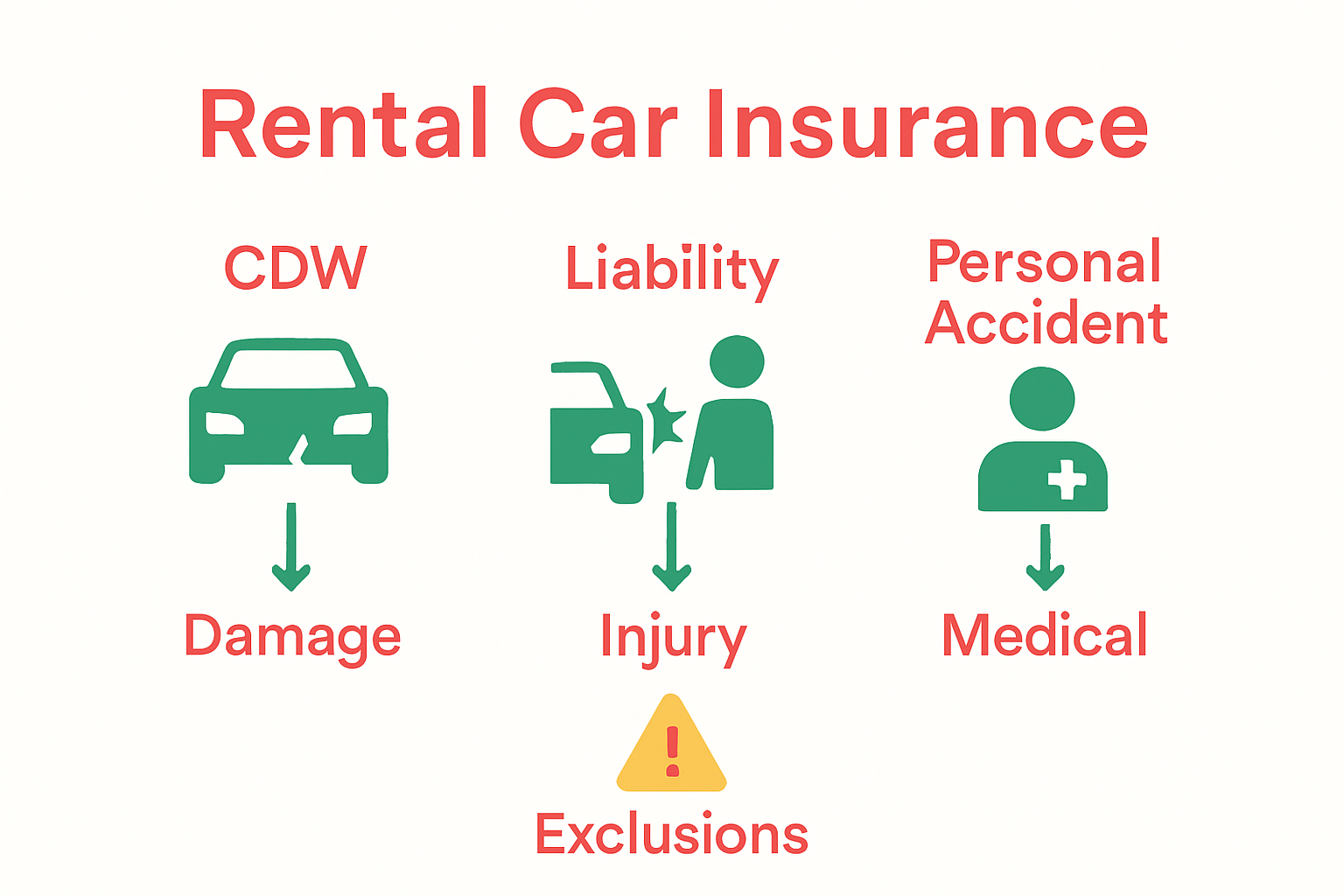
One of the most significant risks involves violating rental agreement terms. Comprehensive rental guidelines reveal that seemingly minor infractions can completely void insurance coverage. For instance, unauthorized vehicle use, exceeding mileage limits, or driving in prohibited areas can instantly expose renters to full financial liability. Additionally, many renters overlook the potential for supplemental charges, such as ‘loss of use’ fees that rental companies may impose when a vehicle is unavailable for repairs – costs that often fall outside standard insurance protections.
The financial complexities extend beyond simple damage coverage. Sophisticated travelers must carefully evaluate multiple layers of potential expenses, including deductibles, supplemental insurance options, and hidden fees. Some insurance waivers appear comprehensive but contain numerous exclusions that can leave renters vulnerable. Credit card insurance, personal auto policies, and travel insurance may provide additional protection, but understanding the exact interplay between these various coverage sources requires meticulous attention to detail. Ultimately, the most effective strategy involves thoroughly reading the rental agreement, asking detailed questions about coverage limits, and proactively identifying potential financial risks before signing any contract.
Secure Your Next Ride with Confidence Using Rentngo.biz
Renting a car can feel overwhelming when insurance details and legal terms create uncertainty. This guide highlights crucial aspects like Collision Damage Waivers, liability protection, and the risks of violating rental agreements. At Rentngo.biz, we understand these challenges and provide a seamless platform to browse available vehicle rentals where you can easily compare options and select rentals with transparent insurance coverage. Our focus is helping you avoid unexpected fees and coverage gaps so your adventure stays worry-free.

Start your trip right by choosing a rental with clear insurance terms and reliable support. Visit Rentngo.biz now to explore trusted rental options designed to protect you legally and financially. Don’t wait until you’re on the road to understand your coverage. Act today and gain peace of mind planning your journey with Rentngo.biz.
Frequently Asked Questions
What types of insurance are typically included in car rental agreements?
Car rental agreements usually include three primary types of insurance: Collision Damage Waiver (CDW), Third Party Liability, and Theft Protection, each providing different levels of financial protection for renters.
How does Collision Damage Waiver (CDW) work in car rentals?
Collision Damage Waiver (CDW) is a contractual agreement that relieves the renter from financial responsibility for damage to the rental vehicle, provided they adhere to the terms of the rental agreement.
What should I do if I violate car rental insurance terms?
If you violate the terms of your car rental insurance, such as driving outside permitted areas or allowing unauthorized drivers, your coverage may be voided, making you personally liable for any damages incurred during the rental period.
Are there hidden costs associated with rental car insurance?
Yes, hidden costs such as ‘loss of use’ fees or additional charges when the rental vehicle is damaged can often be outside standard insurance protections. Therefore, it’s essential to review your rental agreement thoroughly and ask about potential fees.
Recommended
- Role of Car Rental in Travel: Complete Guide – Rent&Go Car Rental Vlore
- Essential Car Rental Tips 2025 for Smart Travelers – Rent&Go Car Rental Vlore
- What Is Car Rental? Complete Overview and Guide – Rent&Go Car Rental Vlore
- Complete Guide to Why Compare Rental Options – Rent&Go Car Rental Vlore
Related Posts

7 Essential Family Travel Tips for Exploring Vlore
Over eighty percent of American families report that early travel…

Essential Car Rental Tips 2025 for Smart Travelers
More than 40 percent of american travelers report encountering unexpected…

How to Compare Rental Options for Cars and Boats Easily
Most international travelers in Vlore juggle between car rentals and…